Alan Armstrong Bio: Career, Business, Family, Net Worth & Politics
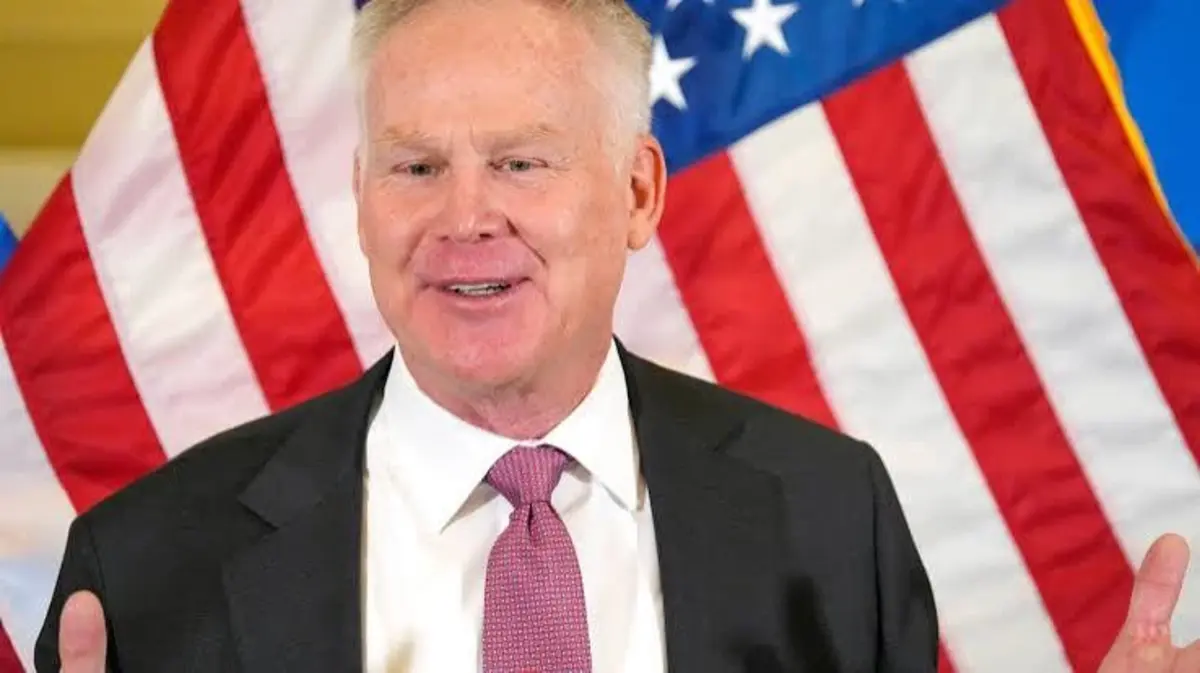
Alan Armstrong is an American business executive who entered national politics in 2026. He serves as the temporary United States Senator from Oklahoma. Governor Kevin Stitt appointed him after Senator Markwayne Mullin left the Senate to join President Donald Trump’s Cabinet.
Armstrong built his reputation in the energy industry before entering public office. He spent nearly four decades at Williams Companies. During that time, he held several leadership roles and eventually became president, chief executive officer, and executive chairman.
His appointment attracted national attention because he brought decades of private-sector leadership into the U.S. Senate. Although his Senate service is temporary, his experience in energy policy makes him an influential voice.
Who Is Alan Armstrong?
Alan Armstrong is an American engineer, energy executive, and politician. He became a U.S. senator in March 2026 after Governor Kevin Stitt selected him to fill Oklahoma’s vacant Senate seat.
Unlike many senators, Armstrong did not build his career through elected offices. Instead, he developed extensive experience in engineering, infrastructure, corporate leadership, and energy policy.
His appointment reflected Oklahoma’s strong connection to the oil and natural gas industries.
Alan Armstrong Quick Facts
| Category | Details |
|---|---|
| Full Name | Alan S. Armstrong |
| Nationality | American |
| Profession | Engineer, Business Executive, Politician |
| Political Party | Republican |
| Current Position | United States Senator from Oklahoma (Temporary) |
| Appointed | March 2026 |
| Education | University of Oklahoma |
| Degree | Civil Engineering |
| Previous Role | Executive Chairman, Williams Companies |
Early Life and Education
Alan Armstrong grew up with a strong interest in engineering and infrastructure. Those interests shaped his future career.
He attended the University of Oklahoma, where he earned a bachelor’s degree in civil engineering.
His engineering education gave him practical skills that later helped him oversee large energy infrastructure projects.
Moreover, his technical background distinguished him from many corporate executives.
Career at Williams Companies
Armstrong joined Williams Companies nearly forty years ago as an engineer. He steadily climbed through the company’s leadership ranks.
Over time, he supervised pipeline operations, commercial development, and strategic planning.
Eventually, he became Senior Vice President for Midstream Operations. Later, he became president and chief executive officer in 2011.
Under his leadership, Williams expanded its natural gas infrastructure across North America.
Furthermore, Armstrong emphasized safety, operational efficiency, and environmental responsibility.
His leadership helped strengthen Williams’ position as one of America’s leading energy infrastructure companies.
In July 2025, he became Executive Chairman while remaining closely involved in company strategy.
Leadership Beyond Williams
Alan Armstrong served in several influential organizations.
These leadership positions included:
- Chair of the National Petroleum Council
- Founding member of Natural Allies for a Clean Energy Future
- Chair of the University of Oklahoma Foundation Board of Trustees
- Board member of BOK Financial Corporation
- Former Chair of Junior Achievement USA
These roles expanded his influence beyond corporate leadership.
Additionally, they strengthened his reputation in business, education, and nonprofit organizations.
Appointment to the United States Senate
In March 2026, Oklahoma politics changed significantly.
President Donald Trump nominated Senator Markwayne Mullin to serve as Secretary of Homeland Security.
After Mullin’s confirmation, Governor Kevin Stitt appointed Alan Armstrong to fill the vacant Senate seat.
Armstrong officially took office on March 24, 2026.
His appointment generated considerable media attention because he entered politics directly from corporate leadership.
According to Oklahoma law, Armstrong agreed not to run for the remaining Senate term. Therefore, his appointment serves only until January 2027.
Alan Armstrong’s Political Priorities
Although his Senate tenure is limited, Armstrong has identified several priorities.
These include:
- Energy infrastructure
- Permitting reform
- Reliable domestic energy production
- Economic competitiveness
- Bipartisan cooperation
He has argued that improving federal permitting processes can strengthen American energy security.
Moreover, he believes efficient infrastructure supports economic growth and job creation.
Views on Energy Policy
Energy policy remains Armstrong’s strongest area of expertise.
Throughout his corporate career, he advocated expanding natural gas infrastructure.
He also supported modern pipeline systems and improved energy transportation.
Furthermore, Armstrong believes natural gas plays an important role in reducing emissions while maintaining reliable electricity supplies.
His Senate work reflects those long-standing positions.
Leadership Style
Many colleagues describe Armstrong as a pragmatic executive.
He often focuses on data, long-term planning, and measurable results.
Instead of emphasizing political rhetoric, he typically discusses technical solutions.
His engineering background influences his decision-making style.
Consequently, many observers expect him to approach legislative issues with a business perspective.
Alan Armstrong’s Family
Alan Armstrong generally keeps his personal life private.
Unlike many politicians, he rarely discusses family matters in public interviews.
Instead, he focuses on professional leadership and public service.
As a result, limited verified information exists regarding his immediate family.
Alan Armstrong Net Worth
Alan Armstrong built a successful career in corporate leadership.
As former CEO and Executive Chairman of Williams Companies, he earned executive compensation over many years.
Although estimates vary, analysts generally consider him a wealthy executive due to his salary, bonuses, stock awards, and investments.
However, no official public source confirms his exact net worth.
Therefore, any published estimate should be treated as speculation.
Major Achievements
Alan Armstrong has earned several notable accomplishments.
These include:
- Leading Williams Companies for more than a decade
- Serving nearly forty years with one company
- Chairing the National Petroleum Council
- Helping shape American energy discussions
- Becoming a United States senator in 2026
- Supporting education and nonprofit organizations
These achievements demonstrate both business and public leadership.
Challenges During His Senate Service
Armstrong entered the Senate under unusual circumstances.
Because his appointment lasts only until January 2027, he has limited time to influence legislation.
Additionally, he must transition from corporate leadership to federal policymaking.
Nevertheless, his extensive experience allows him to contribute quickly, especially on energy-related issues.
Public Image
Supporters praise Armstrong’s business expertise.
They believe his engineering background brings practical knowledge to Washington.
Meanwhile, critics question whether corporate executives should move directly into political leadership.
Despite differing opinions, most observers recognize his experience in the American energy sector.
Interesting Facts About Alan Armstrong
- He spent almost four decades at Williams Companies.
- He began his career as an engineer.
- He later became CEO and Executive Chairman.
- He chaired the National Petroleum Council.
- He graduated from the University of Oklahoma.
- He became a U.S. senator in 2026 through gubernatorial appointment.
Alan Armstrong Legacy
Alan Armstrong’s career demonstrates how technical expertise can shape national leadership.
He spent decades strengthening America’s energy infrastructure.
Later, he transitioned into public service during an important political moment.
Although his Senate tenure remains temporary, his influence extends beyond elected office.
His work in engineering, corporate leadership, and energy policy has already left a lasting impact.
Future historians will likely remember him as an executive who entered the Senate after building one of America’s leading energy companies.