John Hoeven Bio: Career, Age, Family, Net Worth & Politics
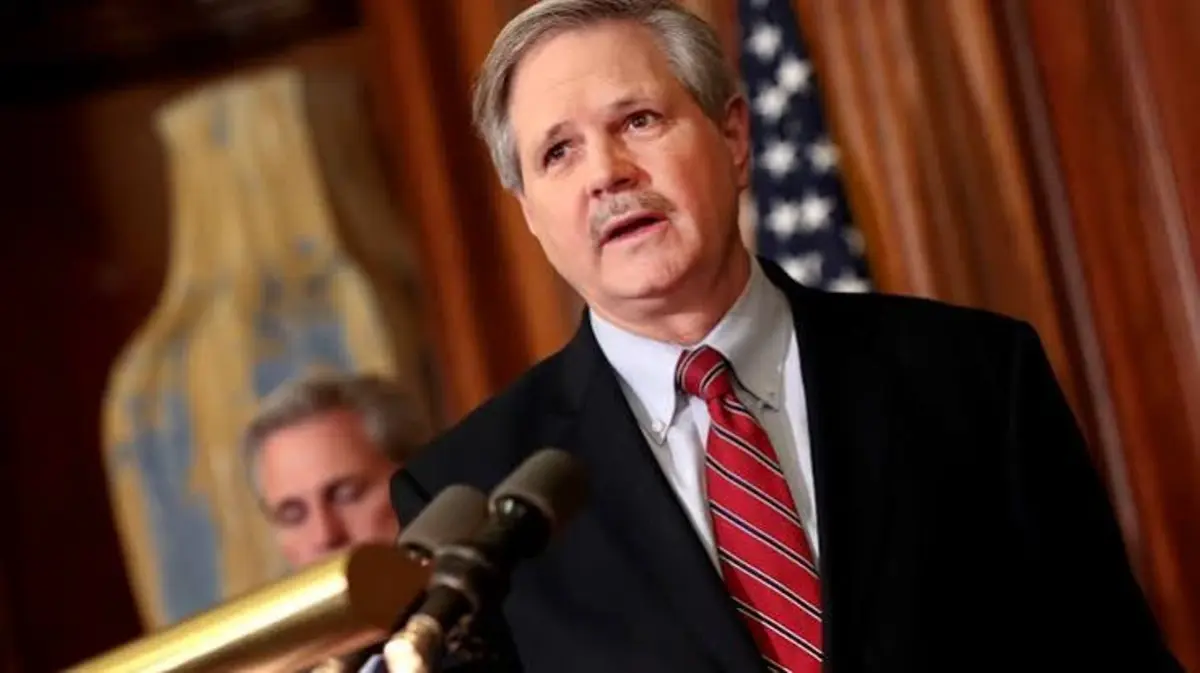
John Hoeven is a prominent American politician, businessman, and former banker. He has represented North Dakota in the U.S. Senate since 2011. Before joining Congress, he served as North Dakota’s governor for ten years. Throughout his career, he has focused on energy, agriculture, defense, infrastructure, and economic development.
His leadership style emphasizes fiscal responsibility and business-friendly policies. Consequently, he remains one of North Dakota’s most influential political figures.
Quick Facts About John Hoeven
| Detail | Information |
|---|---|
| Full Name | John Henry Hoeven III |
| Date of Birth | March 13, 1957 |
| Age (2026) | 69 years old |
| Birthplace | Bismarck, North Dakota |
| Political Party | Republican |
| Current Position | U.S. Senator from North Dakota |
| Senate Service Began | January 5, 2011 |
| Governor of North Dakota | 2000–2010 |
| Education | Dartmouth College; Northwestern University MBA |
| Spouse | Mical “Mikey” Hoeven |
| Children | Two |
Early Life and Childhood
John Henry Hoeven III was born on March 13, 1957, in Bismarck, North Dakota. He grew up in a family that valued education, leadership, and community service.
His upbringing shaped his practical approach to government. Moreover, North Dakota’s agricultural and business environment influenced many of his future policy priorities.
From an early age, Hoeven displayed leadership qualities. He also developed an interest in economics and public service.
Education
Education played a major role in Hoeven’s success.
He graduated from Dartmouth College in 1979 with a bachelor’s degree.
Later, he earned a Master of Business Administration (MBA) from Northwestern University in 1981. These academic experiences strengthened his understanding of finance, management, and economic policy.
Banking Career
Before entering politics, John Hoeven built a successful banking career.
He served as Executive Vice President of First Western Bank in Minot between 1986 and 1993.
Afterward, he became President and CEO of the Bank of North Dakota.
During his leadership, the state-owned bank expanded significantly. It increased its assets and strengthened its financial position. His banking experience later influenced his approach to budgeting and economic development.
Entry into Politics
John Hoeven entered politics after years of business leadership.
He ran for governor in 2000 and won convincingly.
His campaign emphasized economic growth, better education, tax reform, and job creation.
Voters appreciated his business background. Therefore, he entered office with strong public support.
Governor of North Dakota
John Hoeven served as the 31st Governor of North Dakota from 2000 to 2010.
His administration focused on expanding the state’s economy.
During his tenure, North Dakota experienced remarkable growth.
Several factors contributed to this success.
Economic Growth
Hoeven promoted investment throughout the state.
He encouraged private-sector development while maintaining balanced budgets.
As a result, North Dakota consistently ranked among America’s strongest state economies.
Energy Development
Energy became one of Hoeven’s signature priorities.
He launched the EmPower North Dakota initiative to expand energy production.
The plan supported oil, natural gas, coal, renewable energy, and carbon technologies.
Consequently, North Dakota became one of America’s leading energy-producing states.
Agriculture
Agriculture remained central to Hoeven’s policies.
He supported farmers through infrastructure investments and economic initiatives.
He also encouraged agricultural innovation to improve productivity.
Education
Education funding increased during his administration.
His government invested in universities, workforce development, and research partnerships.
These efforts strengthened North Dakota’s long-term economy.
Fiscal Management
Perhaps his greatest achievement involved fiscal discipline.
North Dakota regularly balanced its budget while reducing taxes and increasing reserves.
Many analysts praised the state’s financial stability during his leadership.
Election to the United States Senate
In 2010, John Hoeven sought election to the U.S. Senate.
He won the Republican nomination and later secured a decisive victory.
He officially became North Dakota’s 22nd U.S. Senator on January 5, 2011.
Since then, voters have reelected him multiple times.
His current Senate term runs through January 2029.
Senate Career
John Hoeven has built an influential Senate career.
He serves on several important committees.
His legislative priorities include:
- Energy
- Agriculture
- National defense
- Infrastructure
- Economic development
- Rural communities
These responsibilities allow him to advocate for North Dakota’s interests.
Committee Assignments
Throughout his Senate service, Hoeven has held several key committee positions.
His assignments include work on:
- Appropriations
- Agriculture
- Energy and Natural Resources
- Defense-related appropriations
These committees influence federal spending and national policy.
Major Legislative Priorities
Energy Policy
Energy remains Hoeven’s primary legislative focus.
He supports expanding domestic oil and natural gas production.
He also backs carbon capture, geothermal development, and renewable energy projects.
Additionally, he advocates modernizing America’s energy infrastructure.
Agriculture
North Dakota depends heavily on agriculture.
Therefore, Hoeven consistently supports farm programs.
He advocates:
- Crop insurance
- Disaster assistance
- Farm Bill improvements
- Rural development
- Agricultural research
These policies aim to strengthen family farms and ranches.
National Defense
Defense represents another major priority.
Hoeven works to strengthen military installations across North Dakota.
He also supports modernization projects involving:
- Minot Air Force Base
- Grand Forks Air Force Base
- National Guard facilities
These investments create jobs while enhancing national security.
Infrastructure
Infrastructure funding has remained important throughout his Senate career.
He supports:
- Highways
- Bridges
- Airports
- Water projects
- Broadband expansion
These investments improve transportation and economic competitiveness.
Leadership Style
John Hoeven approaches politics with a business mindset.
He often emphasizes practical solutions instead of ideological debates.
Supporters describe him as collaborative and results-oriented.
His focus usually centers on long-term economic growth.
Family and Personal Life
John Hoeven is married to Mical “Mikey” Hoeven.
The couple lives in Bismarck, North Dakota.
They have two children, Marcela and Jack.
They also enjoy spending time with their growing family of grandchildren.
John Hoeven Net Worth
John Hoeven has spent decades in banking and public service.
Although estimates vary, public financial disclosures suggest he has accumulated substantial assets through investments and previous banking work.
No official source confirms an exact net worth. Therefore, reported figures should be viewed as estimates rather than verified facts.
Awards and Recognition
Throughout his career, Hoeven has received recognition for:
- Economic leadership
- Public service
- Energy policy
- Agricultural advocacy
- Fiscal management
His leadership also earned praise from several business organizations.
Recent Activities (2026)
As of 2026, John Hoeven continues serving as North Dakota’s senior U.S. Senator.
His recent work includes:
- Supporting geothermal energy legislation.
- Promoting defense modernization.
- Backing transportation infrastructure projects.
- Strengthening U.S.-United Kingdom economic and military partnerships.
- Advocating for North Dakota agriculture and energy initiatives.
Political Legacy
John Hoeven’s political legacy centers on economic development and fiscal stability.
As governor, he helped oversee a period of strong economic expansion.
As senator, he has continued promoting energy production, agriculture, and national defense.
His combination of banking experience and public service distinguishes his career.
Interesting Facts About John Hoeven
- He was born in Bismarck, North Dakota.
- He earned degrees from Dartmouth College and Northwestern University.
- He previously led the Bank of North Dakota.
- He served three terms as governor.
- He has represented North Dakota in the U.S. Senate since 2011.
- Energy and agriculture remain his signature policy issues.