Brian Schatz Bio: Early Life, Family, Education, Politics & Net Worth
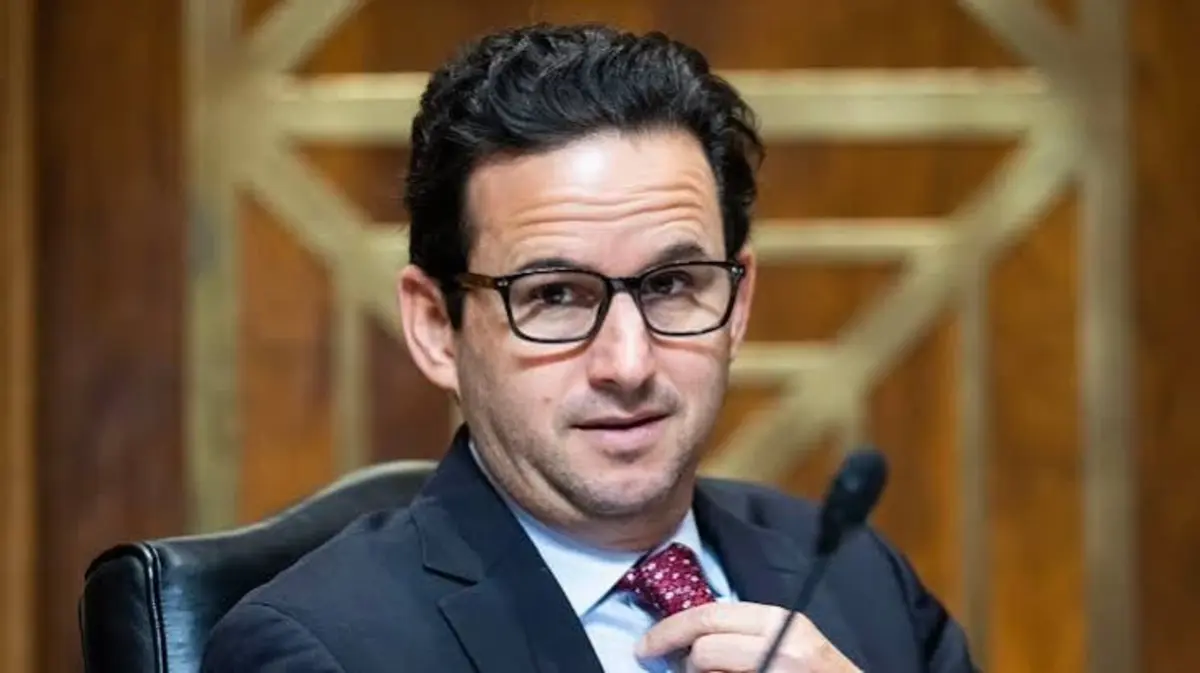
Brian Schatz is one of Hawaii’s most influential political leaders. He has represented the state in the U.S. Senate since 2012. Throughout his career, he has focused on climate action, technology policy, healthcare, Native Hawaiian issues, and government modernization.
His leadership style emphasizes practical solutions and bipartisan cooperation whenever possible. As a result, he has become an important figure within Senate Democratic leadership.
Brian Schatz Quick Facts
| Full Name | Brian Emanuel Schatz |
|---|---|
| Date of Birth | October 20, 1972 |
| Age (2026) | 53 years old |
| Birthplace | Ann Arbor, Michigan, USA |
| Hometown | Honolulu, Hawaii |
| Political Party | Democratic Party |
| Profession | Politician |
| Current Position | U.S. Senator from Hawaii |
| Education | Pomona College |
| Spouse | Linda Kwok Kai Yun (Linda Schatz) |
| Children | Two |
| Years in Senate | Since 2012 |
Early Life and Childhood
Brian Emanuel Schatz was born on October 20, 1972, in Ann Arbor, Michigan. His family later settled in Honolulu, where he spent most of his childhood.
Growing up in Hawaii shaped his worldview. The state’s multicultural communities influenced his interest in public service and environmental protection.
His parents encouraged education and civic responsibility from an early age. Consequently, Schatz became involved in community organizations during his teenage years.
Education
Schatz attended Punahou School, one of Hawaii’s most respected private schools.
After graduation, he enrolled at Pomona College in California. There, he studied philosophy and earned a Bachelor of Arts degree in 1994.
His education strengthened his analytical thinking and leadership skills. Those qualities later became central to his political career.
Early Career
Following college, Schatz returned to Hawaii.
He briefly worked as a teacher before moving into nonprofit leadership. Later, he became the chief executive officer of Helping Hands Hawaii, a nonprofit organization that provides social services across the state.
This experience helped him understand the challenges facing working families and vulnerable communities. Therefore, it became an important foundation for his future political career.
Entry into Politics
Schatz entered public office in 1998 after winning election to the Hawaii House of Representatives.
He served until 2006 and quickly earned a reputation as an energetic young legislator.
During these years, he worked on education, environmental conservation, renewable energy, and economic development.
His growing influence eventually led to statewide leadership opportunities.
Chair of the Hawaii Democratic Party
In 2008, Schatz became chairman of the Hawaii Democratic Party.
He modernized campaign operations and helped strengthen the party’s grassroots organization.
Moreover, he emphasized community engagement and voter participation.
His leadership attracted national attention within Democratic politics.
Lieutenant Governor of Hawaii
In 2010, Schatz became Hawaii’s lieutenant governor alongside Governor Neil Abercrombie.
During this period, he promoted clean energy initiatives, government innovation, and economic growth.
He also represented Hawaii at numerous national meetings and policy discussions.
His performance further increased his statewide profile.
Appointment to the United States Senate
A major turning point arrived in December 2012.
After the death of longtime Senator Daniel Inouye, Governor Neil Abercrombie appointed Schatz to fill the vacant Senate seat.
At only 40 years old, he became one of the youngest members of the U.S. Senate.
Soon afterward, he successfully defended the seat through elections.
Senate Elections
Schatz has consistently won statewide elections.
His Senate victories include:
- 2014 Special Election
- 2016 General Election
- 2022 Re-election
These victories demonstrated strong voter confidence in his leadership and policy priorities.
Committee Assignments
As of 2026, Brian Schatz serves on several influential Senate committees.
These include:
- Appropriations Committee
- Foreign Relations Committee
- Commerce, Science, and Transportation Committee
- Select Committee on Ethics
- Senate Indian Affairs Committee (Vice Chair)
These assignments allow him to shape legislation involving federal spending, foreign policy, technology, and Native communities.
Senate Leadership
Beyond committee work, Schatz has become a trusted member of Senate Democratic leadership.
He serves as Chief Deputy Whip and Deputy Conference Secretary, helping coordinate legislative strategy among Senate Democrats.
Major Policy Priorities
Climate Change
Climate policy remains one of Schatz’s signature issues.
He consistently advocates for:
- Clean energy
- Carbon reduction
- Renewable energy investments
- Climate resilience
- Environmental protection
Because Hawaii faces rising sea levels, climate legislation has remained a central focus throughout his Senate career.
Healthcare
Schatz supports expanding affordable healthcare.
He has backed measures that improve access to medical care while lowering prescription drug costs.
Additionally, he has promoted mental health funding and rural healthcare improvements.
Technology and Artificial Intelligence
Technology policy has become another major priority.
In 2026, Schatz introduced bipartisan legislation promoting greater transparency for AI-generated content.
He believes responsible innovation should balance technological growth with consumer protections.
Native Hawaiian Issues
Schatz has consistently advocated for Native Hawaiian communities.
He previously chaired the Senate Committee on Indian Affairs.
Today, he continues supporting federal programs that benefit Indigenous communities and cultural preservation.
Key Accomplishments
Throughout his Senate career, Schatz has achieved several notable accomplishments.
These include:
- Securing billions in federal funding for Hawaii
- Supporting climate legislation
- Advancing healthcare initiatives
- Promoting broadband expansion
- Supporting veterans and military families
- Leading technology policy discussions
- Improving disaster preparedness funding
His legislative work often emphasizes practical solutions for Hawaii while addressing national priorities.
Family Life
Brian Schatz is married to architect Linda Schatz.
The couple has two children.
Despite his demanding schedule, Schatz often emphasizes family life and community involvement.
His family continues to live in Hawaii while balancing responsibilities in Washington, D.C.
Personal Interests
Outside politics, Schatz enjoys outdoor activities and Hawaii’s natural environment.
He also remains active on social media, where he frequently discusses public policy, current events, and constituent concerns.
His communication style often combines policy explanations with personal observations.
Brian Schatz Net Worth
Brian Schatz has never publicly disclosed his exact net worth.
Various online estimates differ widely because senators disclose financial assets in ranges rather than exact amounts.
Therefore, no verified public figure accurately establishes Brian Schatz’s net worth.
His primary income comes from his Senate salary and previously reported investments.
Leadership Style
Many observers describe Schatz as thoughtful, policy-focused, and detail-oriented.
He often prioritizes long-term planning over political headlines.
Furthermore, colleagues recognize him for his collaborative approach to legislative negotiations.
His growing influence has positioned him among the Democratic Party’s next generation of national leaders.
Brian Schatz in 2026
As of 2026, Schatz continues serving as Hawaii’s senior U.S. senator.
His current priorities include:
- Artificial intelligence regulation
- Climate resilience
- Federal funding for Hawaii
- Healthcare affordability
- Technology oversight
- Native Hawaiian programs
- Government modernization
He also remains active within Senate Democratic leadership while representing Hawaii’s interests in Congress.
Legacy and Influence
Brian Schatz has built a reputation as a pragmatic policymaker.
Rather than focusing solely on partisan politics, he frequently emphasizes problem-solving and bipartisan cooperation.
His work on climate policy, technology, healthcare, and federal funding has strengthened his standing both in Hawaii and across the United States.
Although his career continues to evolve, Brian Schatz has already established himself as one of Hawaii’s most significant modern political leaders.